How Soon Can a Pregnancy Blood Test Confirm?
0
Followers
0
Following
14
Unique Views
0
Editor Picks
0
Articles
0
Comments
0
Received comments
0
Books
0
Books sold
| Received | 0 | 0 | 0 | 0 | |
| 0 | 0 | 0 | |||
| Given to Others | 0 | 0 | 0 | 0 | |
| 0 | 0 | 0 |
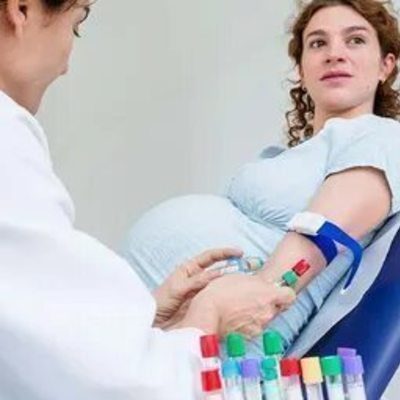
For women waiting to discover whether they are pregnant, timing becomes one of the most important concerns. The days between ovulation and testing can feel emotionally overwhelming, especially for couples trying to conceive or individuals closely monitoring fertility cycles. While home pregnancy kits are commonly used, many healthcare providers recommend pregnancy blood tests for earlier and more accurate confirmation.
A Pregnancy Blood Test Dubai is one of the earliest medical methods available for detecting pregnancy. Because it measures human chorionic gonadotropin directly in the bloodstream, it can identify pregnancy before most urine tests become reliable. Understanding how quickly a pregnancy blood test can confirm pregnancy helps women choose the right testing method and avoid confusion caused by testing too early.
This guide explains when pregnancy blood tests become accurate, how they work, what affects testing timing, and why doctors often rely on them during early pregnancy care.
To understand how soon a pregnancy blood test can confirm pregnancy, it is important to first understand what happens inside the body after conception.
Pregnancy does not begin immediately after intercourse. Several biological steps occur before detectable hormone levels appear.
During ovulation, the ovary releases an egg that can be fertilized.
If sperm successfully reaches the egg, fertilization occurs inside the fallopian tube.
The fertilized egg travels toward the uterus and attaches to the uterine lining. This process is called implantation and usually occurs six to ten days after ovulation.
Once implantation happens, the body begins producing human chorionic gonadotropin, commonly known as hCG.
This hormone is what pregnancy tests detect.
Pregnancy blood tests are more sensitive than urine pregnancy tests because hCG enters the bloodstream before it becomes concentrated enough in urine.
Blood tests can detect extremely small amounts of hCG during the earliest days after implantation.
Some quantitative blood tests can identify hCG levels as low as 1 to 2 mIU/mL, making them highly effective for early pregnancy detection.
This superior sensitivity allows healthcare providers to confirm pregnancy before many women even miss their menstrual period.
In many cases, a pregnancy blood test can confirm pregnancy approximately six to eight days after ovulation.
This means some women may receive a positive result several days before a missed period.
However, the exact timing depends on:
Implantation timing
Individual hormone production
Testing sensitivity
Ovulation accuracy
Laboratory detection limits
Because every pregnancy develops differently, some women may need additional time before hCG reaches detectable levels.
Doctors use two main forms of pregnancy blood testing.
This test simply determines whether hCG is present in the bloodstream.
The result is reported as positive or negative.
Also called a beta hCG test, this method measures the exact amount of hCG in the blood.
Quantitative testing is more detailed and commonly used for:
Early pregnancy monitoring
Fertility treatment evaluation
Miscarriage assessment
Ectopic pregnancy detection
Hormonal tracking
Doctors often prefer quantitative testing during early pregnancy because it provides valuable information about pregnancy progression.
Many women wonder whether home pregnancy kits can provide results as early as blood testing.
Although modern urine tests are highly advanced, they usually require higher hCG levels to become accurate.
Detects pregnancy earlier
Measures exact hCG levels
Provides highly accurate laboratory analysis
Helps identify pregnancy complications
Useful during fertility treatment
Convenient and private
Easily available
Fast results
Lower cost
For women seeking the earliest possible confirmation, blood pregnancy tests remain the more sensitive option.
Several biological and medical factors influence when a Pregnancy Blood Test becomes positive.
Implantation does not occur at the same time for every woman.
If implantation happens later than expected, hCG production also begins later.
Many women ovulate earlier or later than predicted, especially if menstrual cycles are irregular.
Inaccurate ovulation tracking may lead to testing too early.
Every pregnancy produces hCG at slightly different rates.
Some women naturally develop detectable hormone levels faster than others.
Laboratory equipment sensitivity affects how early low hormone levels can be detected.
Highly sensitive quantitative tests can identify pregnancy sooner.
Women undergoing IVF or fertility medication use may receive specialized monitoring because hormone levels are carefully tracked.
The testing procedure itself is simple and usually completed within minutes.
A healthcare professional draws a small blood sample from a vein in the arm.
The sample is then analyzed in a laboratory to measure hCG levels.
Most women experience only minor discomfort during the blood draw.
Results are often available within several hours or by the following day.
Healthcare providers may recommend pregnancy blood tests in several situations where early confirmation is medically important.
Women undergoing IVF or ovulation induction often require precise hormone monitoring immediately after embryo transfer.
Women with previous miscarriages, ectopic pregnancies, or chronic medical conditions may benefit from earlier pregnancy monitoring.
Faint positive lines or conflicting home test results may require blood testing for confirmation.
Some women experience nausea, fatigue, or breast tenderness before urine tests become positive.
Blood testing may confirm pregnancy earlier.
Yes, in many cases it can.
Because blood pregnancy tests are extremely sensitive, they may identify pregnancy several days before menstruation is expected.
However, doctors still caution against testing too early because implantation timing varies.
Testing too soon after ovulation may still produce a false-negative result even with blood analysis.
Healthcare providers often recommend repeat testing if pregnancy symptoms continue despite a negative result.
hCG levels increase rapidly during early pregnancy.
In healthy pregnancies, hormone levels usually double every 48 to 72 hours.
Doctors use these hormone patterns to evaluate pregnancy health.
Consistent increases generally suggest healthy pregnancy progression.
Abnormal increases may indicate:
Ectopic pregnancy
Miscarriage risk
Hormonal abnormalities
Declining hormone levels may suggest pregnancy loss.
Doctors often repeat blood testing over several days to monitor these changes accurately.
Many myths create confusion about how quickly pregnancy can be detected.
Fact: Pregnancy cannot be detected until implantation occurs and hCG production begins.
Fact: Testing too early may still produce false-negative results.
Fact: Blood tests are usually more sensitive and detect pregnancy earlier.
Understanding these differences helps reduce unnecessary stress during the testing process.
The time between ovulation and pregnancy confirmation can feel emotionally intense.
Women trying to conceive after infertility struggles or pregnancy loss often experience anxiety while waiting for accurate results.
Early blood testing may provide reassurance and reduce uncertainty.
Healthcare providers sometimes recommend emotional support resources, stress management strategies, or counseling during fertility treatment and early pregnancy care.
Early pregnancy confirmation offers important medical and personal advantages.
Women can begin prenatal vitamins, healthy nutrition, and medical monitoring sooner.
Doctors can review medications that may affect fetal development.
Women can avoid alcohol, smoking, and other harmful substances earlier.
Complications such as ectopic pregnancy can be identified sooner.
Early prenatal care improves both maternal and fetal health outcomes.
You should consider speaking with a healthcare provider if:
You need early pregnancy confirmation
Home pregnancy tests are unclear
You experience unusual symptoms
You have irregular menstrual cycles
You are undergoing fertility treatment
You have a history of pregnancy complications
Professional medical evaluation ensures accurate diagnosis and appropriate pregnancy monitoring.
A pregnancy blood Lab tests can confirm pregnancy earlier than most other testing methods because it detects hCG hormones directly in the bloodstream. In many cases, pregnancy becomes detectable six to eight days after ovulation, even before a missed period occurs.
Although home pregnancy tests remain convenient and widely used, blood testing offers greater sensitivity, more accurate hormone measurement, and earlier confirmation. Doctors frequently recommend pregnancy blood tests for fertility monitoring, high-risk pregnancies, and situations where precise hormone tracking is necessary.
Understanding how soon a pregnancy blood test can confirm pregnancy helps women make informed reproductive healthcare decisions with greater confidence. If pregnancy is suspected or symptoms continue despite negative home tests, consulting a healthcare provider can provide accurate answers and ensure proper prenatal care from the earliest possible stage.
Followers
Following
Unique Views
Editor Picks
Articles
Comments
Received comments
Books
Books sold
| Received | 0 | 0 | 0 | 0 | |
| 0 | 0 | 0 | |||
| Given to Others | 0 | 0 | 0 | 0 | |
| 0 | 0 | 0 |