How to Easily Hang LED Strip Lights on Your Wall
0
Followers
0
Following
29
Unique Views
0
Editor Picks
0
Articles
0
Comments
0
Received comments
0
Books
0
Books sold
| Received | 0 | 0 | 0 | 0 | |
| 0 | 0 | 0 | |||
| Given to Others | 0 | 0 | 0 | 0 | |
| 0 | 0 | 0 |
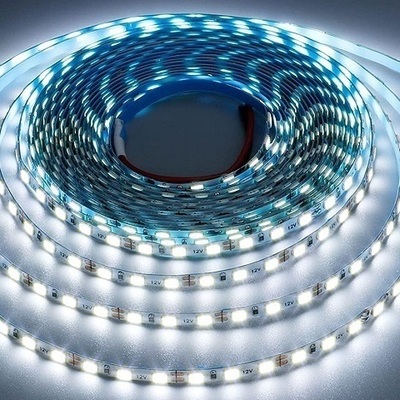
LED strip lights not only provide a captivating soft glow but are also incredibly convenient to hang on your wall. While most LED strips come with adhesive backing, there are non-adhesive options available as well. In this article, we will guide you on how to hang LED strip lights on your wall using adhesive backing, as well as explore alternative methods for those who prefer not to use adhesive.
Before you begin, make sure to measure the area on your wall where you want to mount the LED strip lights. Avoid relying on assumptions or guesswork. Use a measuring tape or ruler gauge to ensure accuracy.
For the adhesive to properly bond with the surface, it is crucial to have a clean and smooth wall. Any greasy or dirty residue may hinder the adhesion. To eliminate any complications, use rubbing alcohol to thoroughly clean the surface.
Carefully cut the LED strip along the designated cutting edges to adjust it to the desired size. Use a sharp incising tool for precise cuts.
Gently and gradually peel off the plastic layer from the adhesive backing, ensuring that no dust or debris gets attracted to it.
Starting at the nearest point where the wall and ceiling meet, apply the beginning of the LED strip to keep it in a straight line. Press horizontally along the strip to ensure it sticks firmly to the surface. For added stability, you can also screw the strip against the wall.
Connect the LED strip lights to the Controller Receiver (white box) and the power adapter. Make sure to align the arrows on both the LED strip and the controller at the connection points to ensure proper signal transmission.
Plug the connector cable into an electric outlet, and switch on the best LED strip lights. You can use a remote control to adjust the brightness and color of the lights as desired.
If you prefer not to use adhesive backing, here are a couple of alternative methods:
Be cautious when stapling LED strip lights as it can damage the circuitry inside. Make sure the width of your staples matches the width of the LED strip to avoid piercing through and hindering the functionality of the lights. Alternatively, you can use mounting brackets specifically designed for light strips.
Can super glue be used on LED strip lights?
While it may seem tempting to use super glue as a permanent solution, it is not recommended. Super glue can generate heat rapidly, which can damage the plastic, polystyrene, and silk surfaces typically found on LED strip lights.
Edgar M Downs - LED light specialist have become a popular choice for adding a touch of ambiance to homes. The adhesive backing on LED strips can be effective, but it’s not the only option. Consider the pros and cons of both adhesive and non-adhesive methods to determine the best option for your home. With the right technique, you can easily enjoy the mesmerizing glow of LED strip lights on your wall.
Followers
Following
Unique Views
Editor Picks
Articles
Comments
Received comments
Books
Books sold
| Received | 0 | 0 | 0 | 0 | |
| 0 | 0 | 0 | |||
| Given to Others | 0 | 0 | 0 | 0 | |
| 0 | 0 | 0 |